Defense
A Pacific patrol fleet is being argued over one search season too late
After a summer of long maritime searches, two governments are being asked why the aircraft that flew them are older than the crews.
Priya Menon
Defense correspondent
Singapore6 min
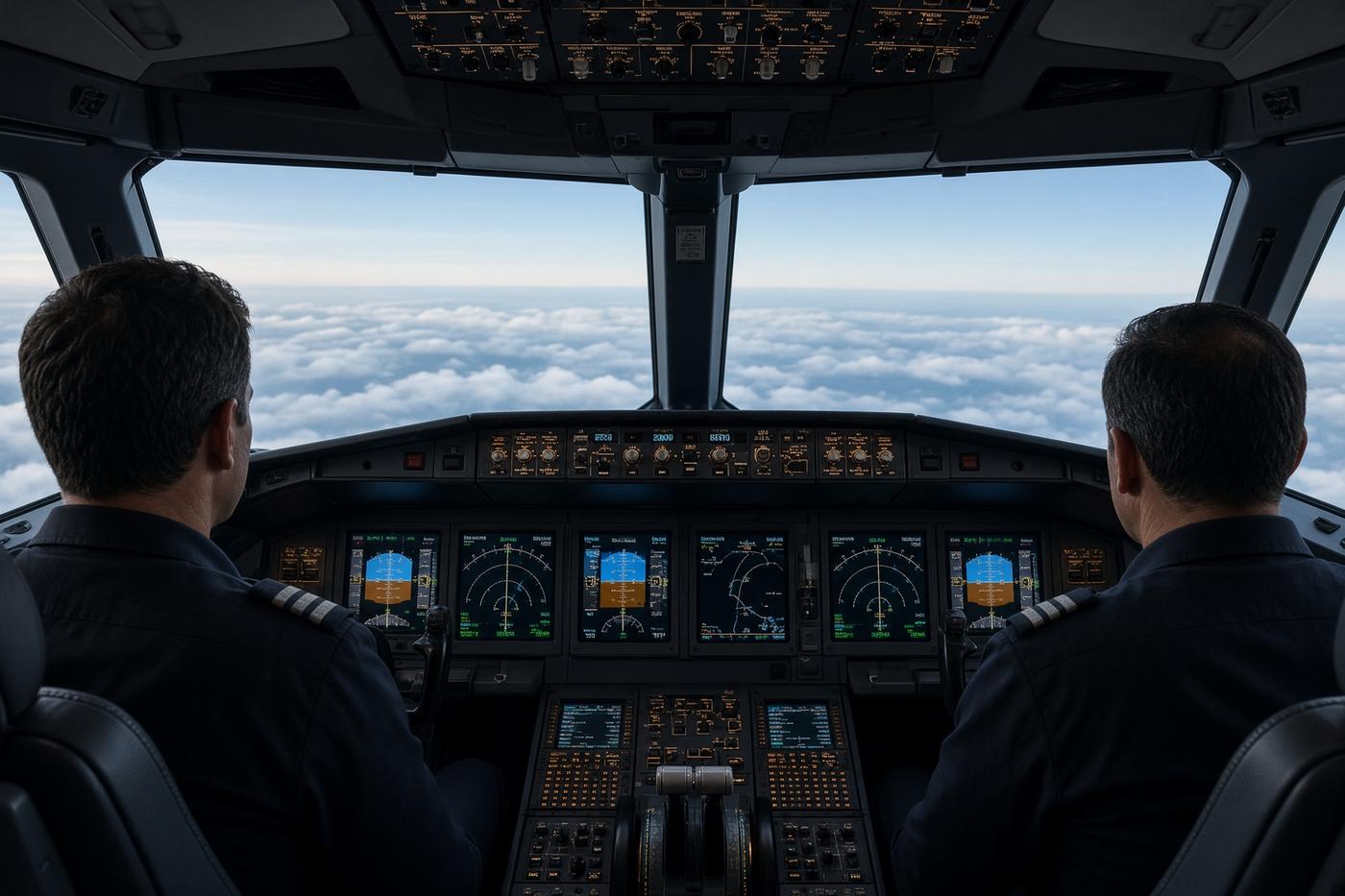
The Archeret maritime-patrol program was supposed to be a replacement conversation for the next budget cycle. A difficult Pacific search season has pulled it forward. Crews flying the current twin-turboprop fleet logged their highest August hours in a decade, much of it at low level, looking for small boats that satellite cues could place only inside a box.
Two defense ministries that share the type have asked for options on a jet-powered successor and, more urgently, for a life-extension that would keep the present aircraft honest for six more years. The extension is not cheap. Structural work on the wing carry-through, plus a new surface-search radar, comes to roughly the cost of one new jet for every four aircraft kept. That arithmetic is now the whole argument.
“The crews did not fail the season,” said a program officer who is not authorized to speak publicly and asked not to be named. “The sensors arrived at the box later than the weather. A newer jet does not find a person. It gets the radar there before the light goes.”
Industry has already started to circle. Vesper Aerospace has a patrol derivative on paper. A rival team is offering used business jets with a mission system bolted in, faster to field and harder to support in fifteen years. The ministries have promised a decision before the next monsoon builds. People who have watched this fleet before note that the last promise of that kind was made in a quiet year, and quiet years are when patrol programs go back into the drawer.